
How to Check Criminal History in Lee County
Start by deciding which record would answer the question. A recent incident belongs first to the agency that responded. A booking or current custody question goes to the Lee County Sheriff and Jail. Filed felony cases belong to the District Clerk, while Class A and B misdemeanor files sit with the County Clerk. Giddings and Lexington municipal courts retain their own fine-only matters. The Texas Department of Public Safety, or DPS, adds the statewide computerized history that agencies and courts report. Comparing those sources prevents a booking allegation from being mistaken for a final conviction.
Use a full legal name, date of birth, and known spelling variants when the official system allows them. A name match alone does not prove identity. For a focused Lee County criminal record check, keep the incident date, location, agency, cause number, or booking time close at hand. Those facts help a clerk or records custodian find the right event without a blanket request.
- Identify the agency, court level, and likely date range.
- Check the official local docket, weekly report, or custody channel that fits the event.
- Request the underlying report or case file from its actual custodian.
- Compare charges with the signed disposition, judgment, and sentence.
- Use DPS personal review when fingerprint-confirmed statewide self-review is needed.
Four Lee County Criminal Record Holders
One Lee County criminal event can create four records. The arresting office writes the incident or probable-cause narrative. The jail records intake, fingerprints, the stated charges, bond, and release. A prosecutor decides what to file, and the clerk records the case. DPS later links fingerprint data to a reported disposition. Each system serves a different job, so a missing result in one place does not erase what another custodian holds.
The official Lee County Sheriff page identifies the local office, its contact route, and its links to open-records and custody tools.
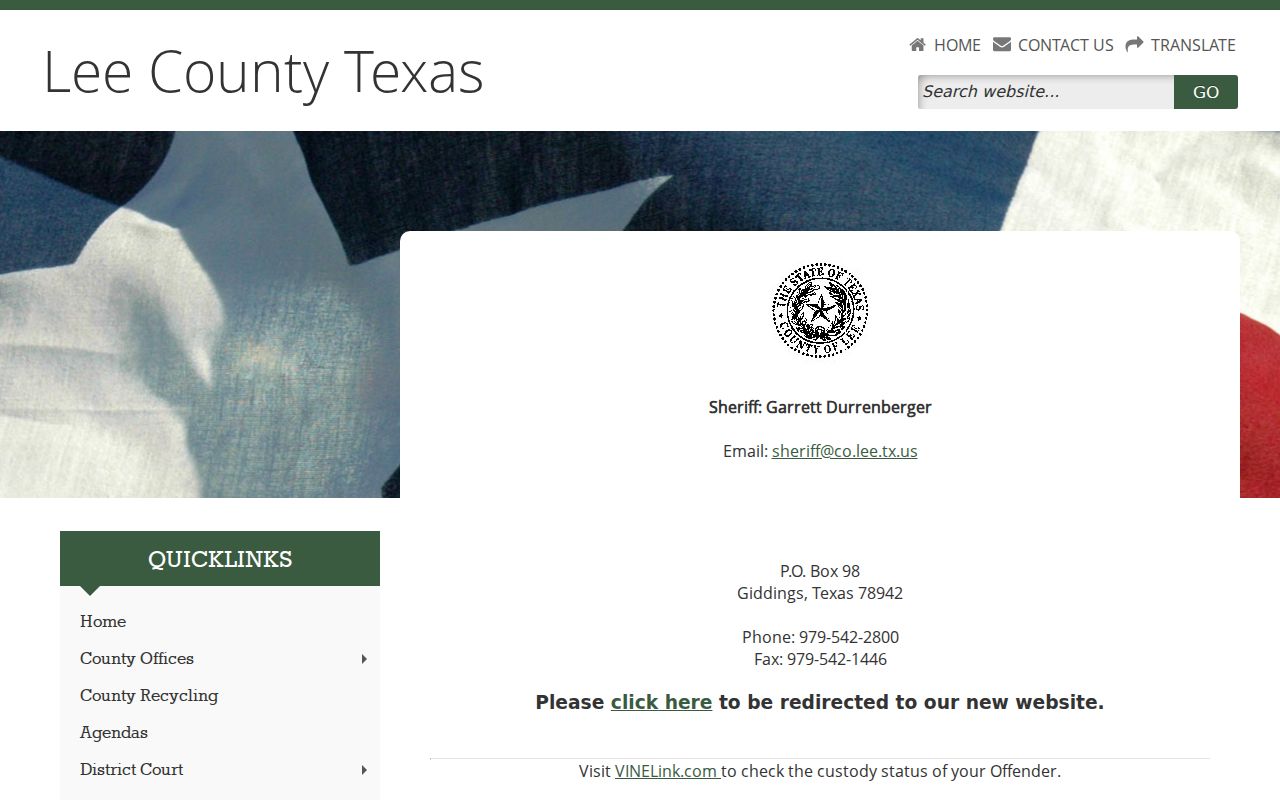
That page is a useful local starting point, but it cannot replace a city police report, court judgment, or DPS repository record.
| Custodian | Lee County record | Best use |
|---|---|---|
| Arresting agency | Incident and arrest narrative | Officer actions and event facts |
| Sheriff and Jail | Booking and custody entry | Intake, bond, and release |
| Correct clerk | Filed court case | Charges, orders, and outcome |
| DPS Crime Records | Reported criminal-history cycle | Statewide repository view |
Official Texas Background Checks
DPS Crime Records Division is the official Texas repository. Its public conviction search discloses the public slice of computerized history, mainly convictions and deferred adjudications plus qualifying related arrest data. The public search uses credits and is narrower than a fingerprint-based personal review. One credit costs $1. Card purchases add 2.25 percent per credit and a $0.25 transaction fee. DPS mail form CR-42 costs $10 for each search.
The DPS Crime Records Service Public Site gathers the state criminal-history services in one official location.
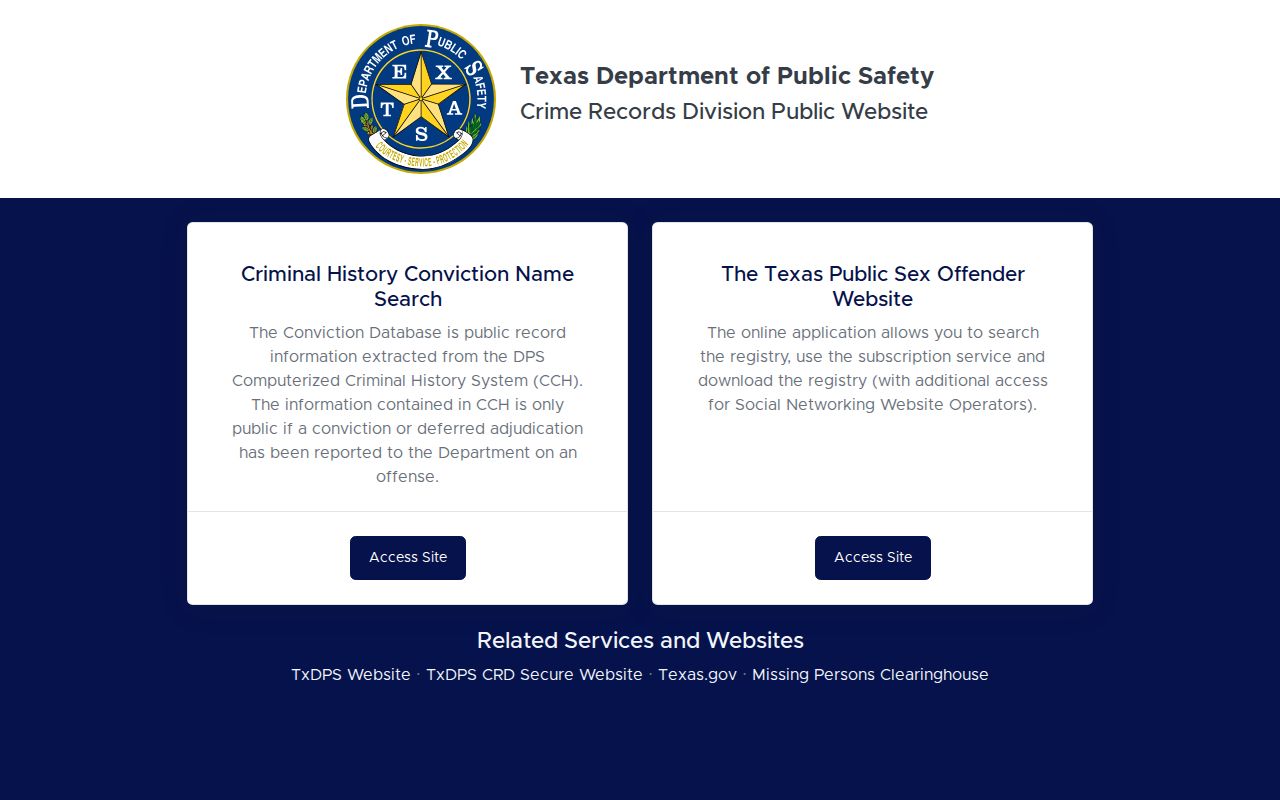
Its products should be read as statewide repository records, not as copies of Lee County court pleadings or sheriff reports.
| Official product | Base cost | Scope |
|---|---|---|
| DPS public name search | $1 credit | Publicly disseminable Texas history |
| DPS CR-42 mail search | $10 | Name-based mail response |
| DPS FAST personal review | $25 | Fingerprint-associated record for the subject |
| FBI identity summary | $18 | Subject's FBI-maintained identity history |
Searching Lee County DPS Criminal History
The DPS public criminal-history portal requires an account and paid credits. Name and date of birth are the key identifiers. The official workflow also permits sex and race filters. Date-of-birth choices may accept full or partial values. When a job returns too many candidates, narrow the fields instead of assuming the first result is correct. If a completed search is interrupted, DPS directs account users to Batch Status so they do not pay for the same completed job again.
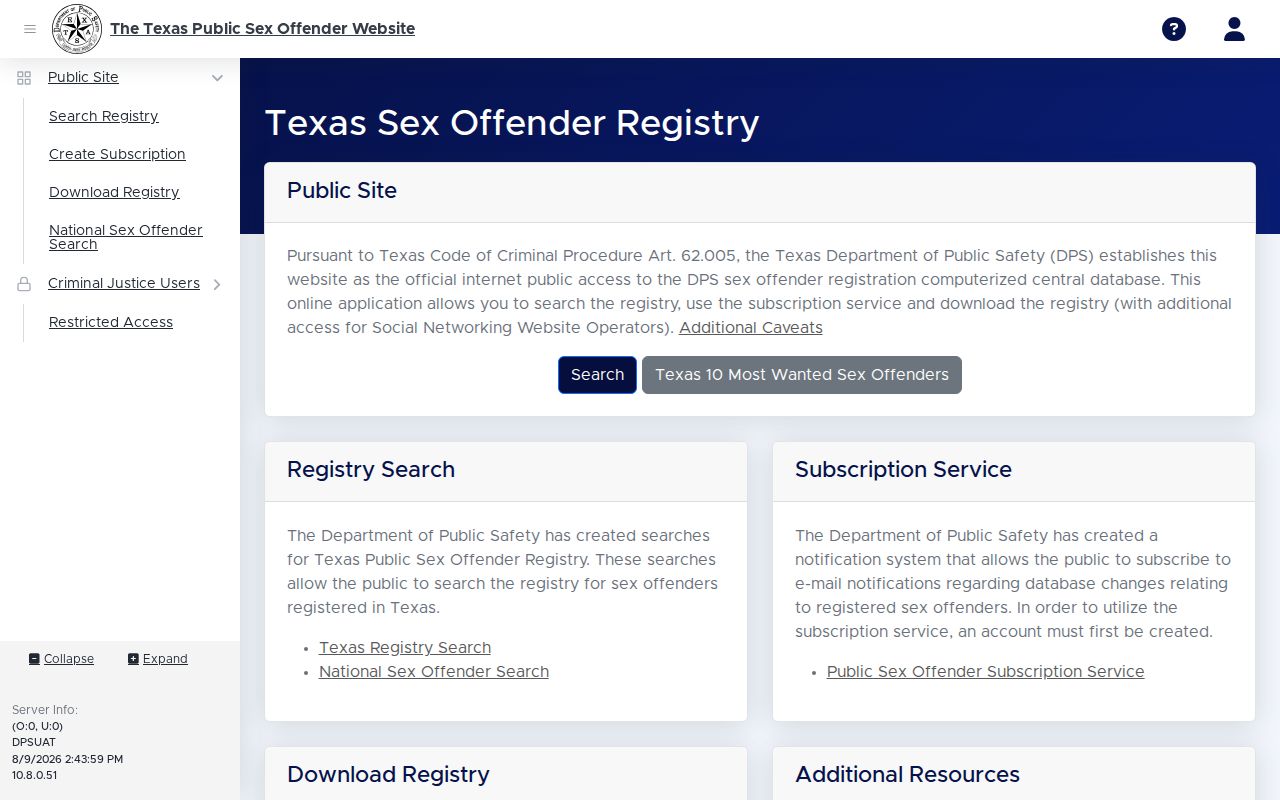
The account gate and credit system are part of the official search. They do not certify that two people with similar identifiers are the same person.
| Search field | Use | Matching note |
|---|---|---|
| Last and first name | Core name input | Search legal spellings and known variants with care |
| Middle name | Narrows common names | Optional when the portal permits |
| Date of birth | Strong identifier | Full and partial modes may be available |
| Sex and race | Additional filters | May remain set to the portal's ANY value |
Types of Criminal Records
Lee County criminal records differ by who created them and when. An incident report captures the first investigation. An arrest report states the legal basis and circumstances of custody. The jail booking entry records intake. A complaint, information, or indictment states what the prosecution chose to file. The court case then collects hearings, motions, orders, the judgment, and any sentence. A warrant, supervision file, custody record, or registry entry has a separate purpose and custodian.
Do not merge those labels. Arrest proves that custody occurred, not that the allegation was true. A booking charge can change. A calendar entry is not a signed judgment. A DPS public result can omit data that remains in a Lee County case file.
Texas charge levels also determine the local counter. Capital, first-degree, second-degree, third-degree, and state-jail felonies go to a Lee County District Court. Class A and B misdemeanors go to the county-level court and County Clerk. Fine-only Class C cases may stay with a municipal or justice court. Police reports follow the responding badge instead: request a deputy's report from the Sheriff, a Giddings officer's report from the city, and a Lexington police report from the town. Classification describes the filed offense level, not guilt, and an enhancement or amended charge can change that level before judgment.
- Booking
- Jail intake that creates identity, charge, and custody data.
- Information
- A prosecutor's formal charging instrument, often used for misdemeanors.
- Indictment
- A grand jury's formal felony accusation.
- Disposition
- The reported result of a charge, such as dismissal, acquittal, deferred adjudication, or conviction.
- Community supervision
- The Texas statutory term commonly called probation.
Lee County Criminal Charge Pipeline
Lee County has no separate district attorney. The County Attorney prosecutes both felony and misdemeanor cases, presents felony matters to the grand jury, and works with local law enforcement. That unusual structure does not combine the prosecutor's file with the public court file. Discovery, internal review, and charging work stay with the prosecutor, while the District Clerk or County Clerk maintains the filed pleadings and signed orders that a records search usually needs.
The office uses temporary space at 898 East Richmond during courthouse renovation, while its mailing address remains 200 South Main, Room 305. A request should name the desired record and its creator. Ask the County Attorney about a record produced by that office, the arresting agency for its investigation, and the clerk for the court case. This routing is especially useful when an intake charge differs from the indictment or information. The filed charging document shows what moved forward, and the judgment shows what the court resolved.
Lee County Fingerprint Record Review
A person reviewing their own Texas record can use the DPS FAST procedure with verified service code 11FT12. Texas Fingerprint Applicant Services of Texas operates through IdentoGO by IDEMIA. The $25 total consists of a $10 fingerprint capture fee and $15 criminal-history review fee. Fingerprints resolve identity far more reliably than a name search. Research did not confirm a permanent enrollment center inside Lee County, so use the official locator when scheduling and do not rely on an assumed Giddings site.
The official FAST and IdentoGO enrollment interface begins the service-code appointment process.
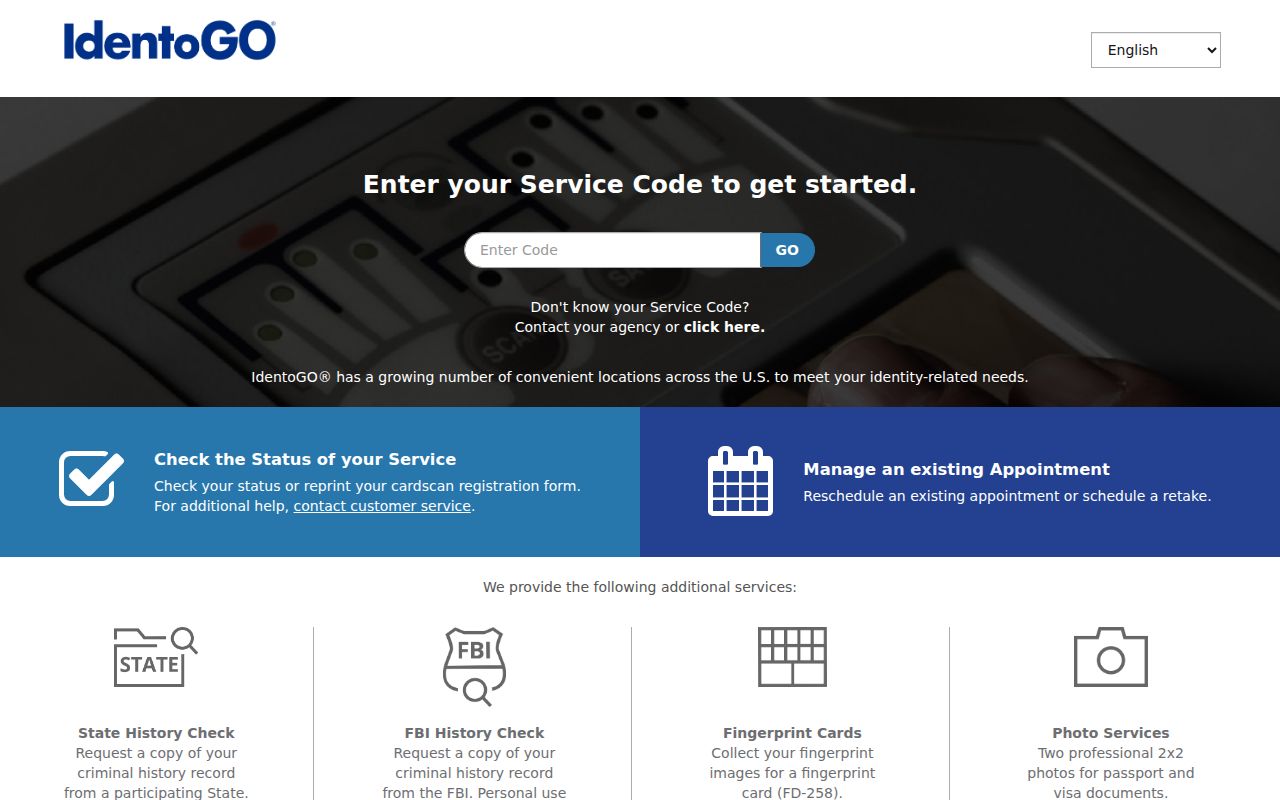
After receiving the record, identify any wrong arrest cycle or missing outcome and work with the contributing agency or court as well as DPS. Certified case documents help DPS research a mismatch.
What a Lee County Criminal Record Shows
A Texas rap sheet groups identity details with fingerprinted arrest cycles. It may show aliases, date of birth, state and FBI numbers, an arrest date, agency, tracking number, charge, prosecutor action, court cause number, disposition, and sentence. The public version omits fields that Chapter 411 does not permit DPS to disseminate. A Lee County docket has another inventory, including the cause number, filed offense, indictment date, docket type, bond notation, counsel, hearing time, judge, and publication date.
The two records answer different questions. A docket can point to a scheduled First Appearance or Pre-Trial Matters setting, but that calendar does not establish a final result. The signed order or judgment controls the outcome.
| Name and identifiers | Legal name, aliases, birth data, SID, FBI number, or local identifiers when releasable. |
|---|---|
| Arrest and booking | Agency, date, fingerprint transaction, intake charge, bond, and custody events. |
| Filed charge | Complaint, information, indictment, statute, and cause number. |
| Disposition | Dismissal, acquittal, deferred adjudication, conviction, or other reported result. |
| Sentence | Jail, prison, fine, restitution, or community-supervision terms in the signed record. |
Lee County Record Counters Moved
The historic courthouse is undergoing renovation, so "go to the courthouse" is unreliable advice. The District Clerk and felony courts use the District Court Building at 289 South Main Street. The County Clerk is at 843 East Industry. The Sheriff and Jail are at 2122 FM 448. Annex Building B at 898 East Richmond houses offices moved during renovation. Check the county notice before travel because the list of returned and relocated offices can change.
The Lee County homepage publishes the current relocation notice and directs readers to each office.

The notice explains why the felony counter, misdemeanor counter, prosecutor, and sheriff should never be treated as one records desk.
District Clerk
289 S. Main St., Giddings, TX 78942
979-542-2947
Felony court files and posted criminal dockets
County Clerk
843 E. Industry, Giddings, TX 78942
979-542-3684
Class A and B misdemeanor files
Sheriff and Jail
2122 FM 448, Giddings, TX 78942
979-542-2800
Sheriff reports, bookings, and custody
Public Access Laws
Texas law separates executive-agency records from court files. The Texas Public Information Act gives a route to request existing sheriff or city records, but active-investigation material, protected victim data, juvenile information, and sensitive identifiers can be withheld or redacted. Judicial records follow court access rules and must be requested from the clerk. DPS computerized history has its own confidentiality and dissemination limits under Government Code Chapter 411.
Key statutes:
Government Code Chapter 552 sets the Texas Public Information Act request and exception framework.
Government Code Chapter 411 controls DPS criminal-history confidentiality, public dissemination, and nondisclosure.
Code of Criminal Procedure Chapter 55A governs Texas expunction eligibility and process.
A request must go to the creator. The Sheriff can provide its own report, not a Giddings police file, a DPS rap sheet, or a court judgment. Precise dates, places, record types, and incident numbers help the custodian locate an existing file.
Lee County Criminal Court Search Limits
Texas has no single, complete, free statewide criminal trial-court name index. The Lee County District Clerk posts current criminal docket PDFs for the 21st and 335th District Courts. Those calendars can show cause number, offense, indictment date, docket type, counsel, bond notation, hearing time, and comments. They are not judgment indexes. Ask the clerk for the docket sheet, indictment, orders, plea papers, judgment, sentence, and certified copy when the outcome matters.
The re:SearchTX platform provides statewide e-filed document access with availability, roles, and charges that vary.
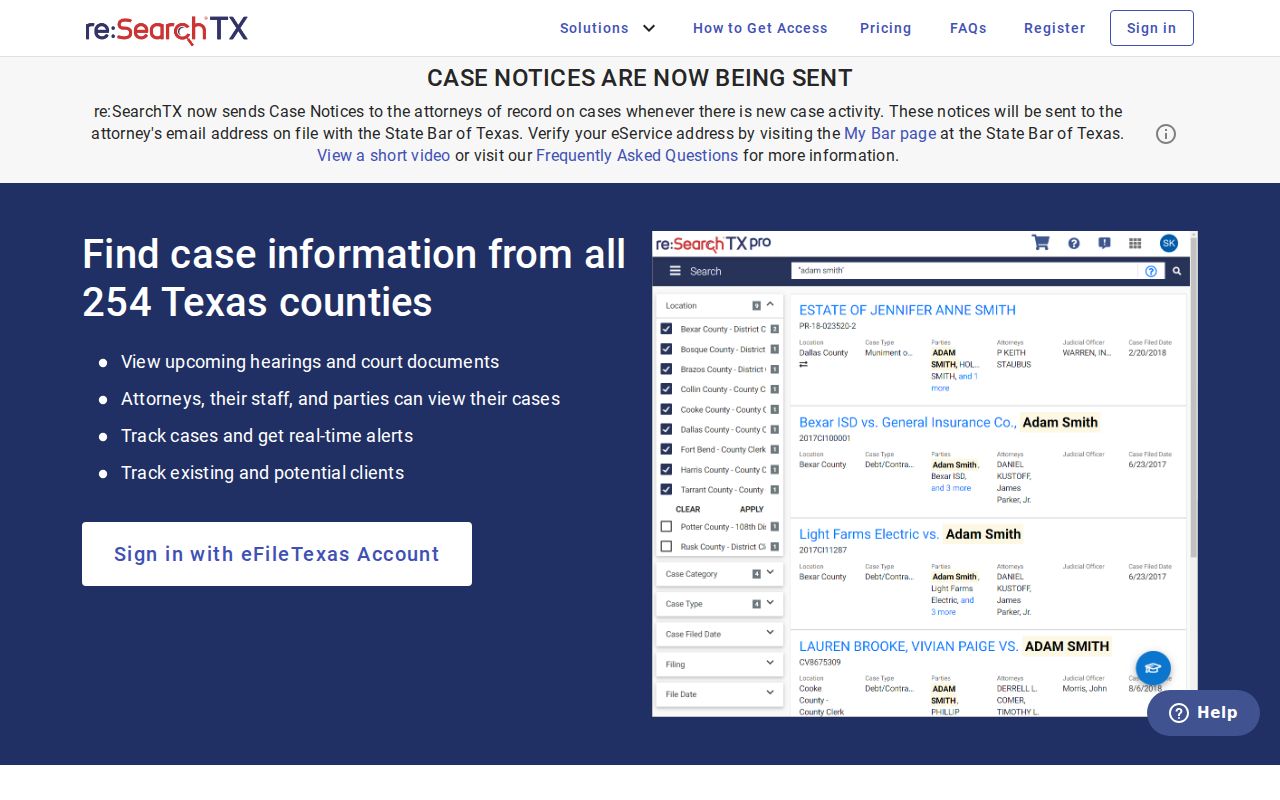
It should not be described as a complete public criminal-name search. The local clerk remains the best source for a Lee County case file and signed disposition.
Sealed, Expunged & Restricted
Texas restricts juvenile files, victim-identifying details in sensitive cases, Social Security and driver's-license numbers, confidential DPS history, sealed investigative material, and records covered by expunction or nondisclosure. Expunction is the stronger remedy. A qualifying order directs agencies to return, remove, delete, or destroy the covered records. An order of nondisclosure limits public release but leaves access for criminal-justice agencies and other recipients authorized by law.
Eligibility is outcome-specific. An acquittal, pardon, certain dismissals, identity theft, or qualifying pretrial intervention may support an expunction path, while deferred adjudication more often raises nondisclosure. Exclusions and same-criminal-episode rules matter. Begin with the final disposition from the correct Lee County clerk, list every agency tied to the event, and confirm the current filing and service costs with the District Clerk.
Lee County Supervision Record Routes
Texas calls probation community supervision. The signed Lee County judgment and later court motions are the public starting points for the offense, term, conditions reflected in court orders, and any motion to revoke or adjudicate. Day-to-day Community Supervision and Corrections Department notes are not a general public database. The county lists its local probation contact at 979-542-3711, but a status question should begin with the court file rather than a request for confidential officer notes.
Parole follows a different path. The Texas Board of Pardons and Paroles makes release decisions, while the TDCJ Parole Division supervises people released from prison. Lee County is assigned to the Georgetown District Parole Office. Search the TDCJ inmate record and obtain the court judgment before calling about a releasable status. VINELink may add custody and release alerts. A revocation motion, capias, hearing, amended order, or final revocation can appear in the clerk's case even when supervision case notes remain closed.
Lee County Booking Search Fallbacks
The Lee County Sheriff's Inmate Booking module was offline for maintenance when inspected on August 8, 2026. Do not replace it with an unofficial roster. Call the Jail's 24-hour line at 979-542-2800, use VINELink for custody status and notifications, read the sheriff's dated weekly reports for local activity context, or submit a focused booking-record request. The weekly reports name dates, generalized locations, call types, arrests, bookings, warrant services, and totals, but they are not individual rap sheets.
The TDCJ Online Inmate Search covers people in the state prison system.
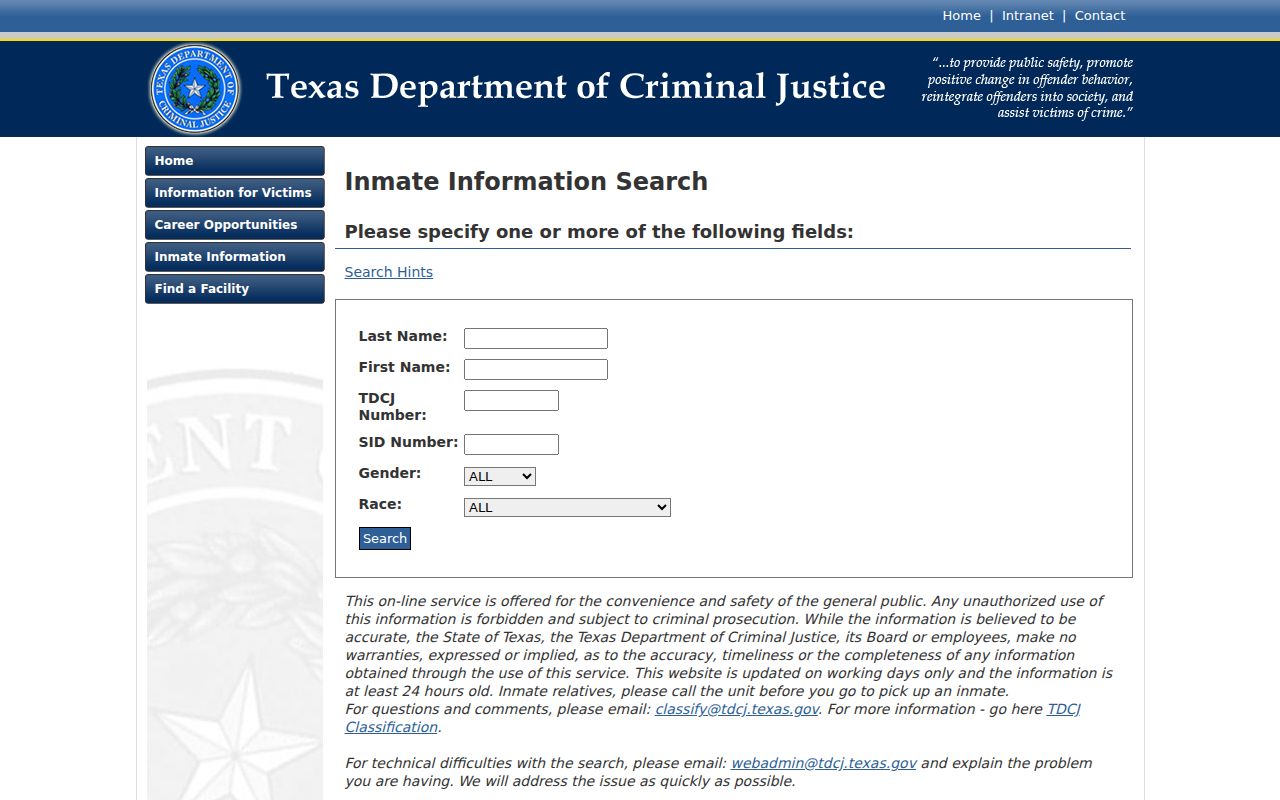
A TDCJ result does not cover the Lee County Jail. Local jail custody, state prison custody, and federal custody require separate official systems.
Note: The offline date matters because the sheriff may restore the booking module after publication, so verify the official page before relying on a fallback.
Lee County Registry and Warrant Records
The Texas Public Sex Offender Registry is the authoritative public registry for Lee County. It permits name and geographic searches and can display a map or list. A registry profile is not a general criminal-history report. For active warrants, no verified complete Lee County public name database was found. The Sheriff Most Wanted interface is selected and sparse, not a full warrant list. Check the issuing court, the sheriff's warrant channel, or the correct clerk and confirm status before acting on an old entry.
The official Texas DPS registry provides the statewide name, address, county, ZIP, and map search routes.
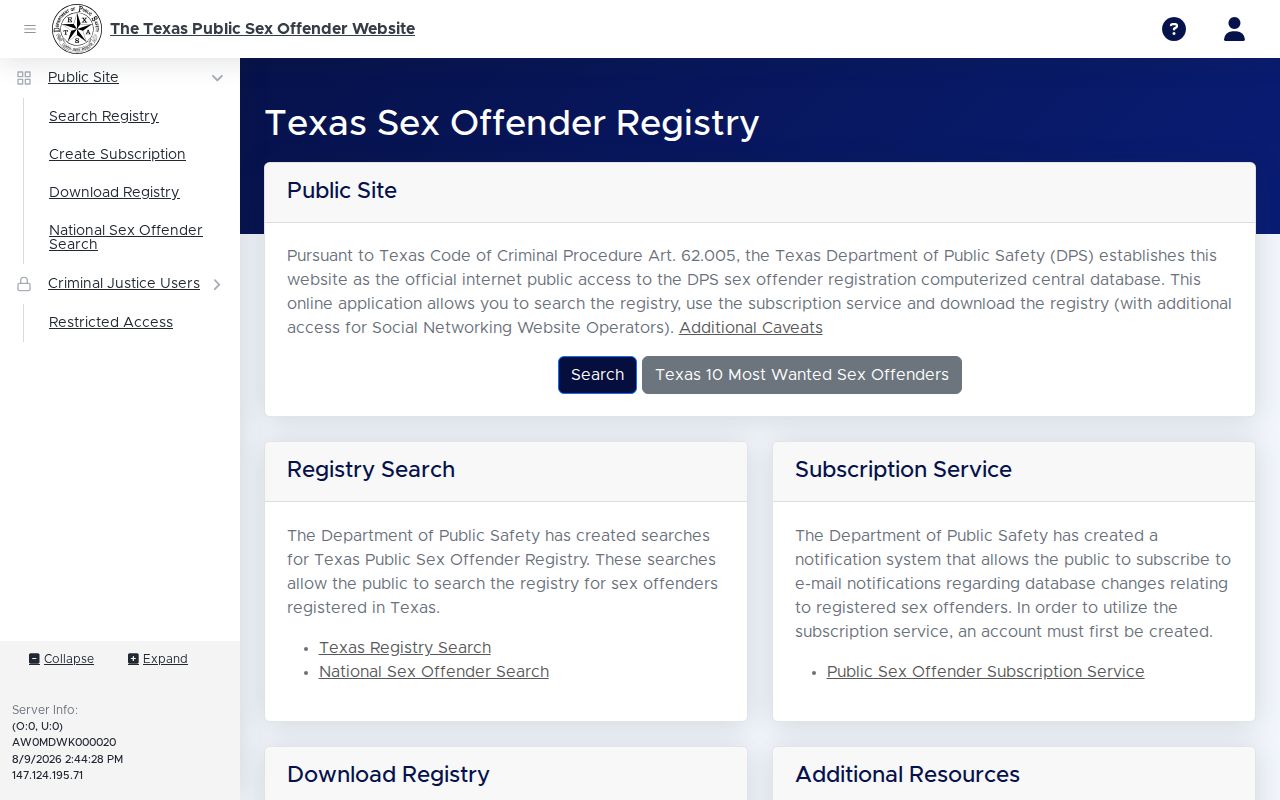
The registry withholds listed private identifiers and must be used lawfully. It does not grant permission to threaten, harass, or discriminate.
Criminal Records by City in Lee County
Lee County has two incorporated places. Giddings Police keeps reports created by city officers, and its municipal court handles city ordinance and fine-only matters. Lexington also keeps town police and municipal records apart from sheriff and county court files. Both cities transfer jail custody to the Lee County Jail, but the agency that made the report still controls the original narrative.
Giddings Criminal History
2025 estimate: 5,425. City police forms and the municipal clerk start local searches.
Lexington Criminal History
2020 Census: 1,217. Town contacts and the municipal clerk replace a public name portal.